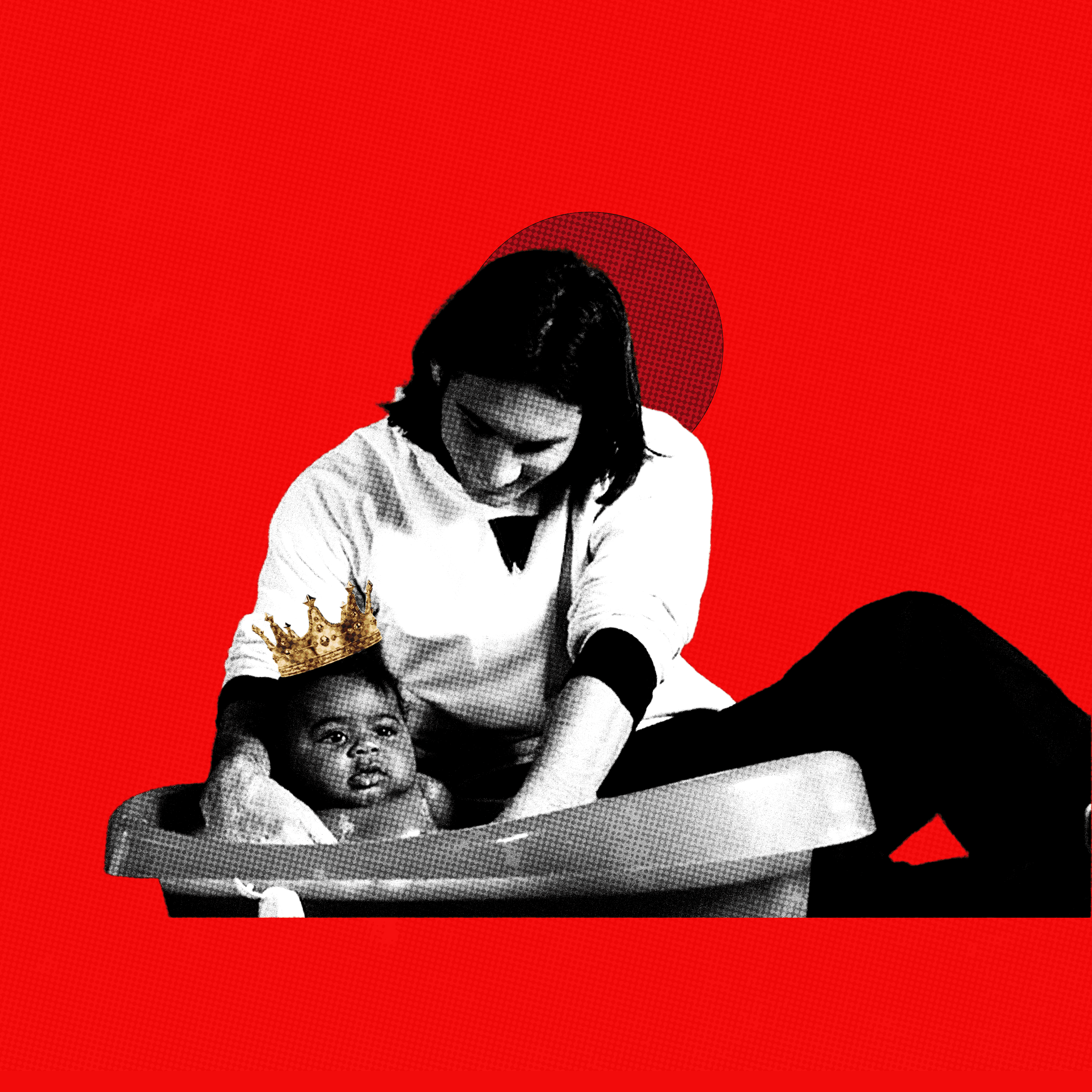
Just days ago, a United Nations report dropped a bombshell that, for anyone paying attention to peacekeeping missions by the UN, was not surprising. In 2025, four substantiated cases of sexual exploitation and abuse were linked to personnel in the Multinational Security Support (MSS) mission in Haiti, the Kenya-led, US-backed operation sent to crush gang violence in one of the world’s most lawless nations. The victims? All female. Their ages: 12, 16, 16, and 18. Three children raped. One teenager subjected to sexual violence.
These weren’t abstract allegations. The UN’s Office of the High Commissioner for Human Rights investigated and corroborated every single one. The cases were referred to mission commanders for “appropriate action.” Yet here we are, in April 2026, with the Kenyan contingent largely back home and the successor Gang Suppression Force already in motion, while the girls left behind in Port-au-Prince remain voiceless.
This wasn’t a rogue incident. It was the latest chapter in a grim, repeating pattern.
Kenya sent its officers to Haiti in 2024 with noble stated goals: restore order, fight the gangs choking the country, give Haitians a fighting chance. The mission wasn’t formally UN peacekeeping, but it operated under UN authorisation and scrutiny. Kenyan police - professionals from a relatively stable democracy - were meant to be the disciplined force that local authorities lacked. Instead, some became predators.
Why does this keep happening?
History offers the brutal answer. From the UN’s MINUSTAH mission in Haiti (2004-2017) came documented child sex rings run by Sri Lankan peacekeepers. In the Democratic Republic of Congo, UN troops faced the highest number of sexual abuse allegations in the world, including mass exploitation and abandoned “peacekeeper babies.” Central African Republic, Somalia, Liberia: the list is long and shameful. Peacekeepers from stable nations arrive in broken ones and, too often, discover they can act with near-total impunity.
In Haiti, a country already shattered by gangs, poverty and political collapse, the power imbalance is absolute. Foreign officers carry weapons, control resources and operate in a vacuum where local law barely functions. Back home in Nairobi or wherever they came from, these same men would face swift justice. In Port-au-Prince, they apparently felt untouchable. The failed state becomes their playground. The vulnerable, especially children with no families, no protection, no voice, become prey.
The UN’s response followed the familiar script: “deep concern,” internal investigations, referrals to troop-contributing countries. We’ve heard it before. When Russia invaded Ukraine. When Gaza burned. When UN forces in Congo were accused of rape. Statements flow. Real accountability rarely does. The organisation that claims to protect the world’s most fragile too often protects its own image instead.
Kenya cannot hide behind diplomatic language or “ongoing reviews.” These officers operated under our flag. Their actions stain our national reputation and betray the very mission we volunteered for. The Kenyan government must act - immediately and decisively. Release a full statement. Launch an independent investigation alongside Haitian authorities. Prosecute the perpetrators under Kenyan law. Ensure the victims receive reparations, counselling and protection. Publicly commit to stronger safeguards for any future deployments.
Because silence is complicity.
The children of Haiti, aged 12 to 18, already surviving hell on earth, did not ask for foreign intervention. They certainly did not ask to be violated by the very people sent to save them. This article is their voice. The girls who were raped while the world looked the other way. The teenagers whose bodies became collateral damage in someone else’s “peace operation.”
Foreign interventions will continue. Failed states will keep needing outside help. But until troop-contributing nations treat sexual abuse as the war crime it is - until we stop accepting weak UN statements and start demanding prosecutions - the same denominator will keep appearing: sexual violence by the very forces meant to stop it.
Kenya has a chance to break the cycle. The world is watching. The victims are waiting. History will judge whether we chose justice… or convenience.