The street outside was a ghost town, silent corridors where the usual movements of the city had vanished into the shadows. But inside this pub, it was a rookery of humanity, a dense clatter of souls compressed into a room that smells of a room thick with disinfectant, sweat, and the smell of a dozen different orders of food . We are all leaning toward the screen, atomized by the glowing rectangle like victims of a bus crash.
I was nursing a cold beer and a plate of wings that glisten, bleed, and ooze under the flickering neon. No one is looking at their neighbor; we are a docile, uncomprehending herd caught in the long dance of craziness. Outside, the world is dead. Inside, for ninety minutes, we share an awful compulsion that feels like the very center of the world
Yesterday was a story about the end of an era and the beginning of a new worship, a meticulously constructed ceremony designed to prepare us for the next person to adore. This is the wiring of our modern faith: a system that cannot allow the throne to remain empty for even a single afternoon.
We are told that pro sports are scripted, functioning as a secular religion that keeps using religious language around human beings. We saw this genealogy of the divine in the 1980s with Magic Johnson, then Michael Jordan, and eventually LeBron James-the “Chosen One” who was groomed for our collective affection before he was even eligible for the draft. Now, the LeBron era is receding, and the industry has already yielded Victor Wembanyama, a player with an “alien ability” who arrives carrying the burden of the next deity.
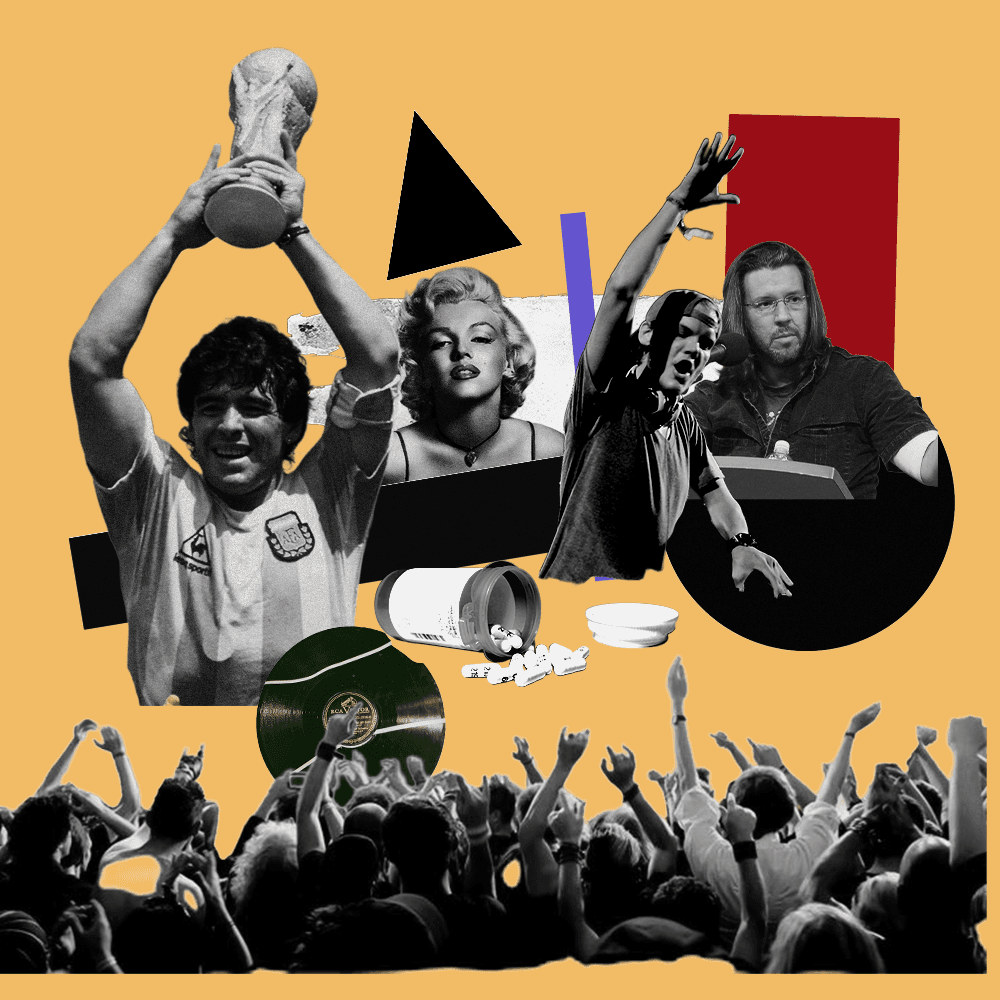
In global football, this search for a revelation is even more explicit. Long ago, Diego Maradona was a god, a figure of shrines who supposedly restored a city’s soul with his “Hand of God”. When his dance was done, Ronaldinho became the forerunner, a kind of John the Baptist who introduced a young Lionel Messi to the world with a prophecy: this is the player who is going to be the greatest who ever lived. Messi, the Messiah, even scored his first goal off an assist from the man who came before him .
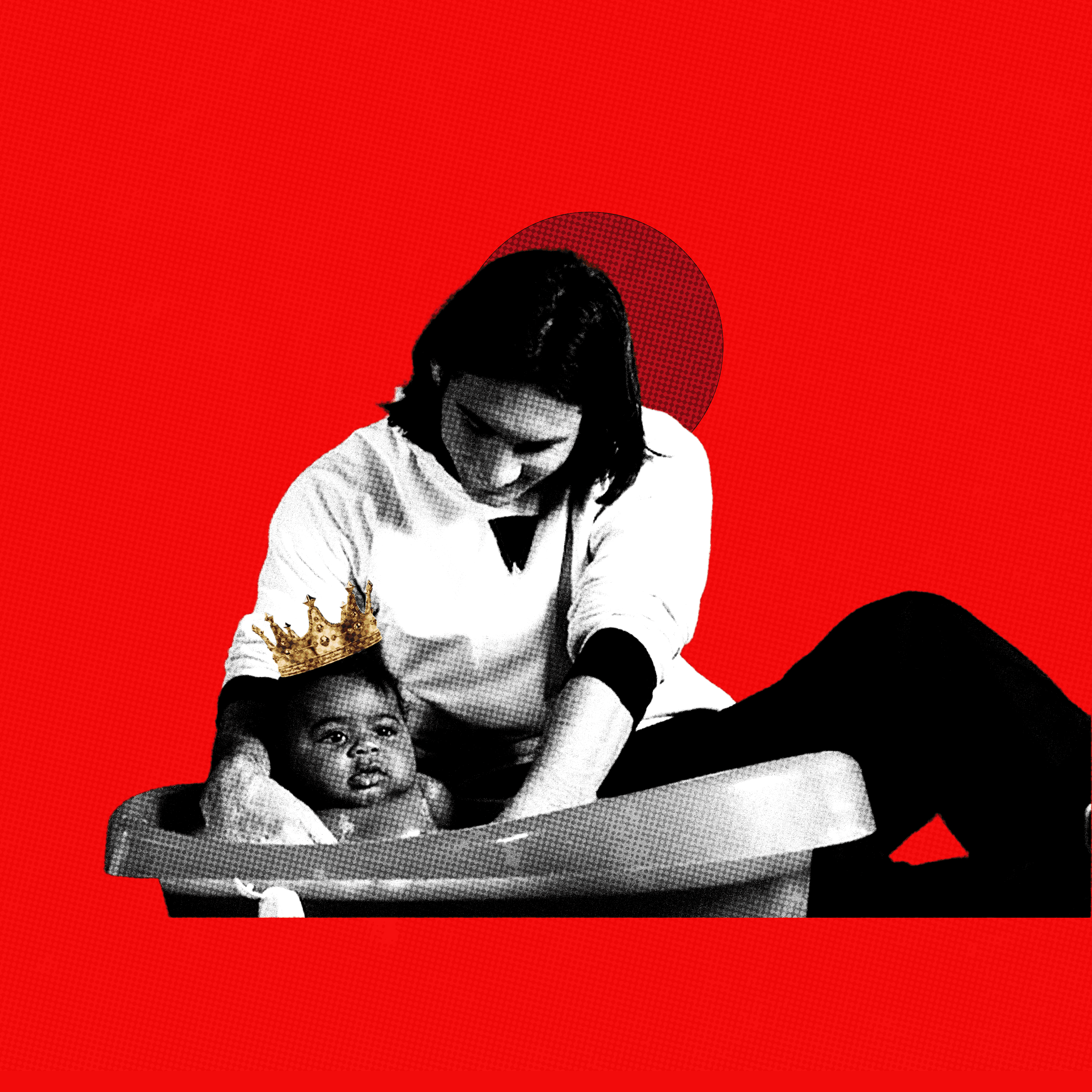
There is something spiritual about our need to find the next one before the last has even left the stage. Long before Messi’s farewell could become final, football had already begun anointing Lamine Yamal. It started with a photograph that now feels less like an image than a prophecy: a 20-year-old Messi bathing a five-month-old Yamal in a plastic tub. Yesterday, under the glare of another final, the myth caught up with reality. The coronation no longer belonged to the mystics.
The symmetry is almost too neat to dismiss. Messi broke through for Argentina wearing No. 19. Yesterday, under the weight of a final, Yamal wore the same number. Nineteen years have passed since that iconic photo in Barcelona. Yamal is now 19. Their birthdays are separated by 19 days. Coincidence has its limits. Believers call it destiny.
Yamal has now inherited the number 10, the chasuble once wreathed by Messi and Ronaldinho, playing for the same country that won the World Cup in 2010 after winning the Euros.We are an army of people waiting to be given the words, waiting to be told that the future always looks good because no one remembers the past.
Spain won, the new deity was crowned, and the story will continue until it palls.